
Understanding the psychology behind gambling What motivates players
The Thrill of Uncertainty
The unpredictable nature of gambling is one of its most alluring aspects. Players often find excitement in the unpredictability, which triggers a rush of adrenaline. For those looking for entertainment, an online sweepstakes casino offers an exciting alternative. This thrill comes from the chance of winning, and the anticipation builds as players engage in games of chance. The psychological response to this uncertainty can create a rollercoaster of emotions, making the experience highly stimulating.
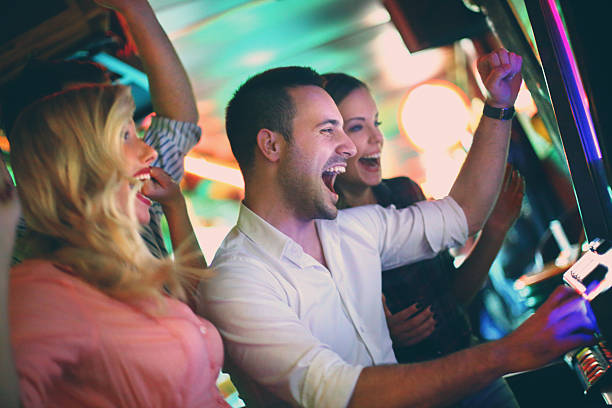
Furthermore, the brain responds to these thrills by releasing dopamine, a neurotransmitter associated with pleasure and reward. This chemical reaction reinforces the gambling behavior, making players more likely to return for the same experience. The desire for that next high keeps them engaged, regardless of past outcomes.
The Role of Escape
For many, gambling serves as a form of escape from everyday life. Individuals may turn to casinos and online gaming as a way to cope with stress, anxiety, or boredom. The immersive environment can provide a temporary reprieve from reality, allowing players to lose themselves in the activity. This escape can become addictive, as players seek solace in the highs of gambling.
This psychological tendency is often tied to emotional states. When life becomes overwhelming, the thrill of gambling can provide a distraction, albeit a potentially dangerous one. As players focus on the game, they momentarily forget their worries, reinforcing the behavior as a coping mechanism.
Social Influences and Peer Pressure
Gambling is often a social activity, and the influence of peers can significantly affect a person’s motivation to play. Group dynamics create an environment where individuals may feel encouraged to participate in gambling, often to fit in or seek approval. This social aspect can amplify the excitement and draw individuals into the gambling world.
Moreover, the camaraderie formed in these settings can further reinforce gambling behaviors. Players may share stories of wins and losses, building a sense of community. This bonding experience can make the act of gambling more appealing, as it intertwines with social identity and acceptance.
The Illusion of Control
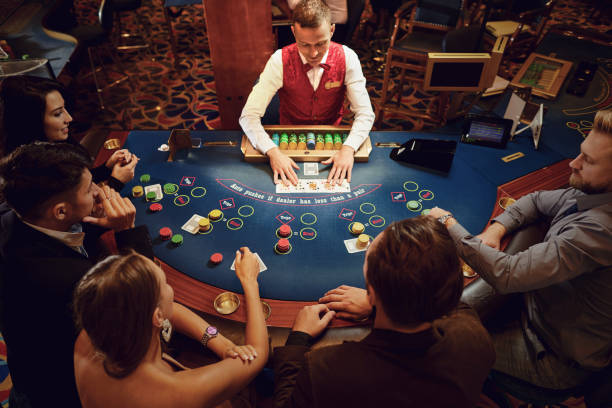
The belief that one can influence the outcome of a game contributes significantly to gambling behavior. This illusion of control can be particularly strong in games that require skill or strategy, such as poker. Players may convince themselves that their decisions significantly impact the game’s outcome, leading to an increased desire to play.
This psychological phenomenon can also lead to a misunderstanding of odds and probabilities. Players may ignore the reality of their chances and instead focus on their perceived abilities, which can be dangerous. The more they believe they can control the outcome, the more likely they are to gamble, often leading to excessive play and financial loss.
Explore More About Gambling Psychology
If you’re interested in delving deeper into the psychology behind gambling, our website provides a wealth of resources. We aim to educate players about the motivations behind their actions and the emotional factors involved in gambling. Understanding these elements can empower individuals to make informed choices, enhancing their overall experience.
Our articles cover various aspects of gambling psychology, from addiction prevention to recognizing the signs of unhealthy gambling habits. Join us in exploring the fascinating world of gambling and its psychological underpinnings, helping you gain insight into your own experiences and motivations.